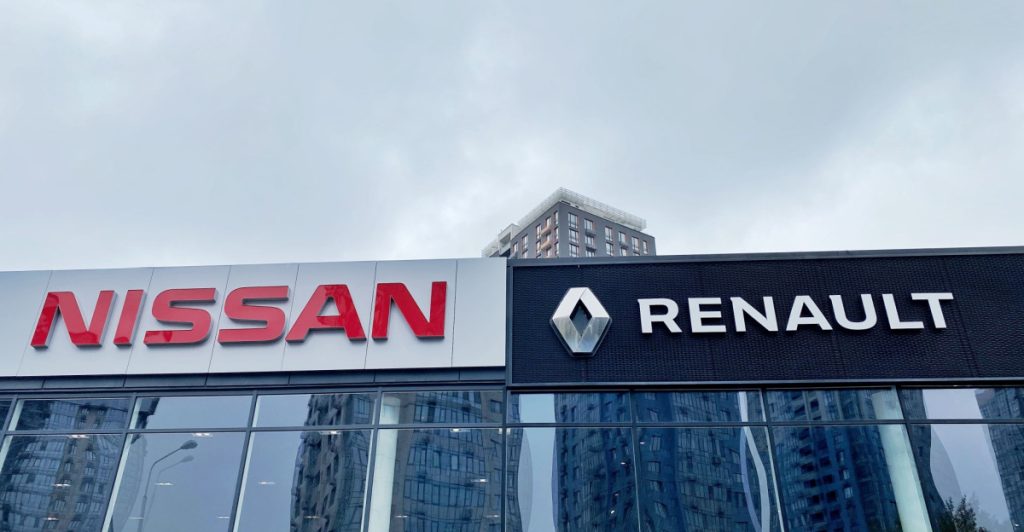
Renault increased revenue and vehicle sales in 2025, but a major accounting adjustment tied to its long-standing alliance with Nissan pushed the French carmaker deep into the red.
The group reported net losses of €10.931 billion for the year, even as turnover rose and operating profitability remained solid.
Nissan impact weighs heavily
Renault’s revenue climbed 3% to €57.922 billion in 2025, while operating margin reached €3.632 billion, or 6.3% of sales. That compares with 7.6% in 2024, reflecting tougher market conditions and rising competition in Europe.
The headline loss stems primarily from a €9.3 billion non-cash impact linked to a change in the accounting treatment of Renault’s stake in Nissan. The Japanese carmaker also contributed a negative €2.331 billion to results before the consolidation method was revised.
Excluding the Nissan-related effects, Renault said net profit would have stood at €715 million — still 72% lower than the previous year.
Also read
Tesla robotaxis crash more often than drivers in Austin
The 10 Best Electric Cars You Can Buy Right Now in 2026
Sales and electrification grow
Operationally, the group showed resilience. Renault sold 2,336,807 vehicles worldwide in 2025, up 3.2% in a global market that expanded by 1.6%.
In Europe, Renault remained among the leading manufacturers, while internationally the Renault brand posted 11.7% growth, driven by strong demand in Latin America, South Korea and Morocco.
Electrified vehicles were a key growth driver. Sales of fully electric models jumped 77.3%, while hybrids rose 35.2%. Electrified cars now account for 44% of Renault’s European sales mix, with EVs representing 14% and hybrids 30%. The company noted, however, that higher technology costs continue to weigh on margins in the short term.
Margins and cash flow
The Automotive division posted an operating margin of 4.2%, affected by foreign exchange pressures — particularly in Argentina — higher warranty costs and a less favourable regional mix. The deconsolidation of Horse Powertrain and competitive pricing in Europe also weighed on profitability.
Renault said it reduced variable costs per vehicle by around €400 through purchasing and industrial efficiency improvements.
Also read
How to make an older car feel new again
Electric SUVs with the longest range in 2026
Free cash flow in the Automotive division reached €1.473 billion, including €300 million in dividends from Mobilize Financial Services. The division generated €4.744 billion in self-financing capacity.
Financial position and outlook
Renault ended the year with a net automotive financial position of €7.37 billion and liquidity reserves of €17.7 billion. S&P upgraded the group’s credit rating to BBB- with a stable outlook, restoring investment-grade status.
The board will propose a dividend of €2.20 per share, unchanged from the previous year.
For 2026, Renault expects an operating margin of around 5.5% and automotive free cash flow close to €1 billion. Over the medium term, it aims to maintain margins between 5% and 7% and average annual cash generation of at least €1.5 billion.
A new strategic roadmap is set to be presented on March 10, as the company seeks to reinforce its asset-light model, accelerate electrification and expand internationally amid ongoing transformation in the automotive sector.
Also read
Used Tesla Model 3 Shows Steeper-Than-Expected Battery Decline After 113,000 Miles
Tesla drops Autopilot branding after public pressure pushes it back
Sources: elEconomista.es